
Buying an electric car of your choice is not an easy thing. There are many factors to consider, from range and charging to cost and incentives. This guide will walk you through the process of buying an EV, from deciding if it’s right for you to take home your new car.
Things to consider when buying an EV:
Range: How far do you typically drive daily? Choose an EV with a range that is comfortable for you.
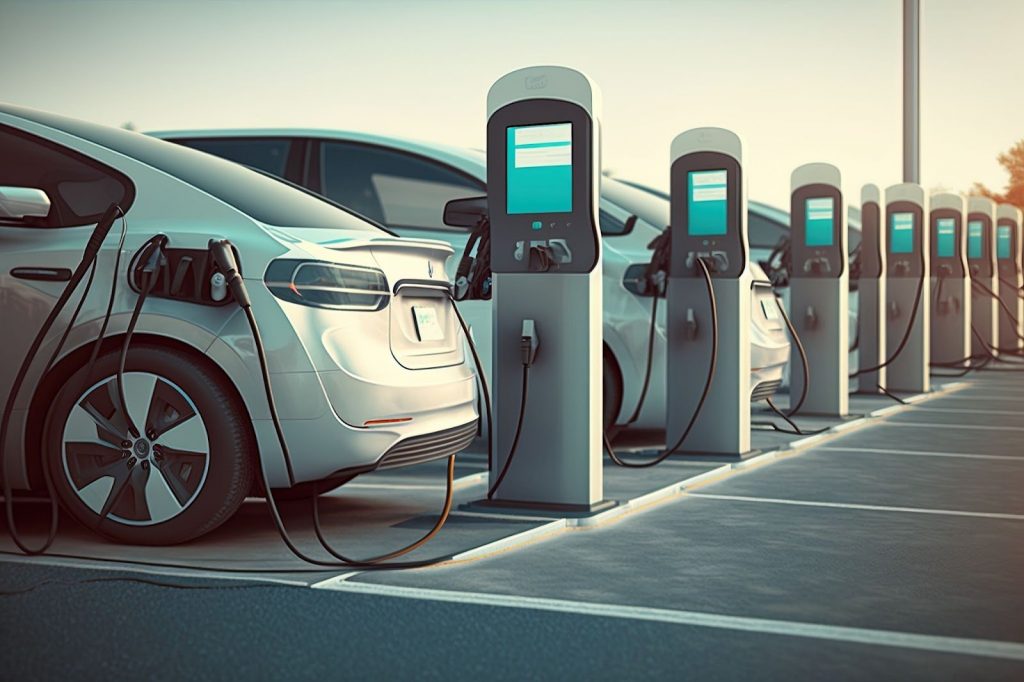
Charging: Where will you charge your EV? If you live in an apartment or condo, you may need to rely on public charging stations.
Features: Decide what features are important to you, such as a sunroof, heated seats, or a navigation system.
Cost: EVs are typically more expensive than gasoline cars, but there are government incentives can help offset the cost.
Do your research:
Once you’ve decided that an EV is right for you, we should research EVs more carefully.
What Is an EV?
An electric vehicle is a car that uses electricity instead of gasoline to power its movement.
When you’re researching which electric car to buy, you may run into the term “electrified vehicles.” That does not refer to cars that use only electricity, but rather cars powered by at least some electricity to provide the energy they need to move.
What Is a Hybrid?
Hybrid cars use both electricity and gasoline. They run on both a gasoline engine and a small electric motor. They use their electric motor to get up to a certain speed, after which the gasoline engine takes over. Using gasoline for only part of their power makes them more fuel-efficient than regular gasoline-powered cars.
The Hyundai Elantra, for instance, is available with a gasoline-only powertrain or a hybrid powertrain. In gasoline-only form, it gets an EPA-estimated 33 mpg in the city and 43 on the highway. In hybrid form, it gets 53 mpg in the city and 56 mpg on the road. But hybrids are not EVs.
What Is a Plug-in Hybrid?
Plug-in Hybrid (PHEV) cars also use both electricity and gasoline for power. But they have a larger battery and a more powerful electric motor. They can travel under electric power up to their full speed. A PHEV uses electricity alone until its battery is nearly depleted, then it turns on its gasoline engine and begins to function as a hybrid. In practical terms, owning a PHEV is a lot like owning an EV. But PHEVs are capable of indefinitely long trips, as long as they get fueled with gasoline.
For instance, the 2023 Chrysler Pacifica PHEV can travel up to 32 miles on electric power alone. Many Pacifica PHEV owners effectively operate an EV on a typical day. But they can take longer road trips without worrying about their car’s EV range and use gasoline for greater distances. In some cases, PHEVs also qualify for tax incentives meant to help Americans buy electric vehicles, making their cost lower than traditional hybrids.
Entirely Electric Cars Use No Gas
Electric vehicles do not have gasoline engines. They operate with large batteries, usually placed underneath the car’s floor, that store all their power. They use small electric motors attached directly to their axles, which perform the function of an engine.
EVs travel with limited range because their batteries can run out, and recharging their batteries takes longer than refilling a gas tank. But even the shortest-range EV on the market today drives a range many times longer than the distance most people do each day. As technology improves, charging batteries keeps getting faster.